Business Intelligence
Best AI business intelligence platforms
Explore the top AI business intelligence platforms of 2025, each offering unique tools to enhance data analysis and decision-making for all users.

Looking for the best AI-powered business intelligence (BI) platforms? Here's a quick breakdown of the top tools transforming data analysis and decision-making in 2025. These platforms use AI to simplify data insights, predict trends, and empower teams to make faster decisions - even without technical expertise. Whether you need advanced visualization, natural language queries, or seamless integrations, there's a platform for you.
Top Platforms at a Glance:
- Querio: Simplifies data analysis with natural language queries. Ideal for non-technical users. Cost-effective with strong collaboration tools.
- Tableau AI: Advanced data visualization and AI-driven insights. Perfect for visual storytelling but comes with higher pricing tiers.
- Looker AI: Deep integration with Google Cloud and customizable analytics. Best for large organizations needing consistent data governance.
- Microsoft Power BI: Affordable and integrates seamlessly with Microsoft tools. Great for businesses already using the Microsoft ecosystem.
Quick Comparison Table:
| Platform | Key Features | Integration Capabilities | Collaboration Tools | Pricing |
|---|---|---|---|---|
| Querio | Natural language querying, AI-driven insights | Works across multiple databases | Shared workspaces, activity tracking | Affordable, cost-effective |
| Tableau AI | Advanced analytics, visualization | Salesforce ecosystem, R, Python | Embedded analytics, sharing | $15–$75/user/month |
| Looker AI | Conversational analytics, LookML | Google Cloud, API-first | Real-time teamwork, annotations | ~$5,000/month + setup fees |
| Microsoft Power BI | AI-enhanced tools, AutoML | Microsoft ecosystem, Azure | Teams integration, version control | $14–$24/user/month |
Key Tip: Pick a platform that aligns with your business goals, budget, and team expertise. Each tool has unique strengths, from Querio's simplicity to Looker AI's robust customization. Dive into the article for a detailed breakdown of each platform.
How Generative AI is Revolutionizing BI Platforms and Unlocking Potential
::: @iframe https://www.youtube.com/embed/LGwrv4x5b3g :::
1. Querio
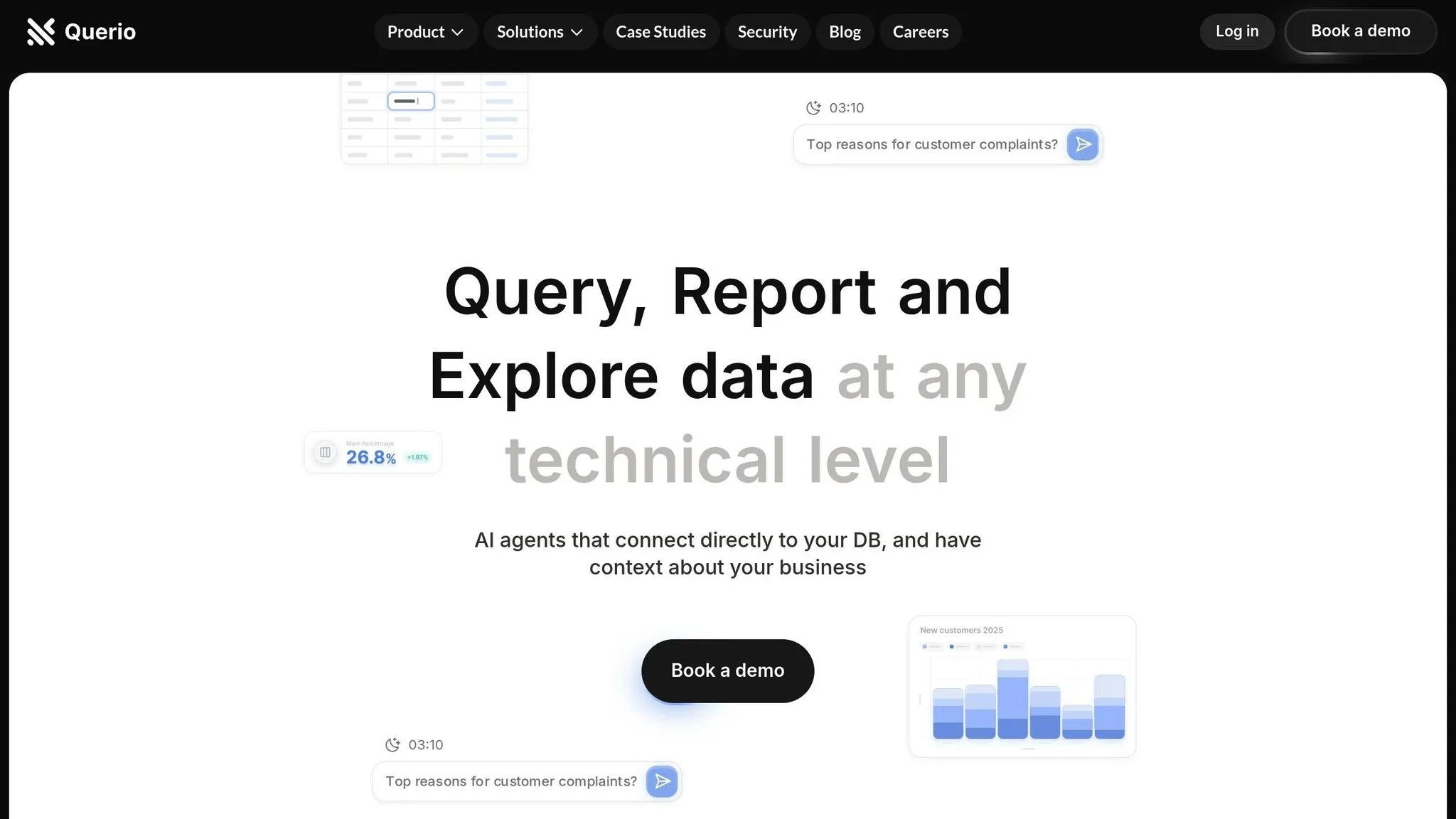
Querio is an AI-powered business intelligence platform designed to simplify data access through natural language queries. Founded by Rami Abi Habib, the platform bridges the gap between technical data teams and business users, making it easier and faster to uncover insights without requiring specialized expertise.
AI Features
Querio’s standout feature is its ability to process plain language queries using AI. The platform’s intelligent agent translates everyday business questions into precise database commands, eliminating the technical complexity often associated with data analysis. According to PopularAiTools.ai, Querio excels with a 4.9/5 processing speed, 4.8/5 AI accuracy, and an overall score of 4.7/5[1].
Jennifer Leidich, Co-Founder & CEO, highlighted its impact in 2025:
"Querio has revolutionized how we handle data. What used to be a weeks-long process now takes minutes, and our teams feel empowered to make data-driven decisions on their own. The impact on our efficiency and accuracy is unparalleled." [2]
This shift not only improved operational efficiency but also saved $45,000 annually by reducing dependence on external analysts and speeding up decision-making[1].
Integration Capabilities
Querio seamlessly integrates with major databases, enabling real-time analytics and ensuring users always work with up-to-date information. These direct connections simplify deployment, making the platform easy to adopt while enhancing collaboration across teams through essential BI tool features.
Collaboration Tools
Querio’s collaborative tools are designed to keep teams aligned on data-driven projects. Features include:
- Shared workspaces for unified access to data
- Comment threading for discussions within the platform
- Permission controls that balance security with transparency
- Activity tracking to log changes and maintain accountability
This collaborative environment fosters teamwork and ensures everyone stays on the same page.
Pricing
Querio offers its advanced AI capabilities at a price point that balances affordability with high functionality. By reducing training costs and accelerating adoption, the platform provides a cost-effective solution for organizations aiming to streamline decision-making and improve efficiency.
2. Tableau AI
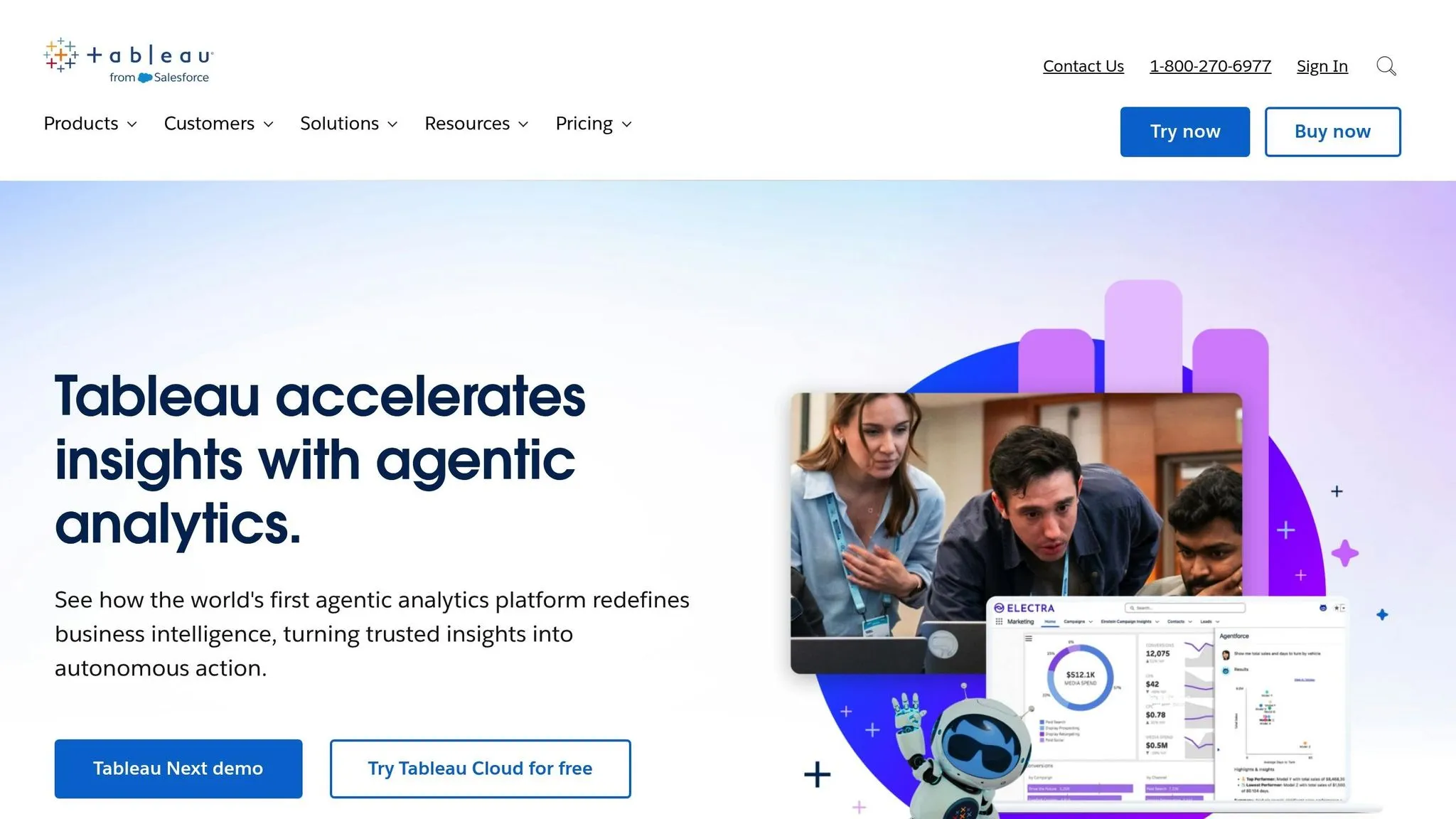
Tableau AI is reshaping how businesses engage with data by embedding generative AI directly into the Tableau platform. This integration helps tackle a critical challenge: while 85% of leaders need insights within 30 minutes, many still struggle with confidence in interpreting their data[3].
AI Features
Tableau AI simplifies data analysis, making advanced insights available to everyone within an organization. By offering smart suggestions and in-product guidance, the platform reduces repetitive tasks for analysts and speeds up decision-making. This is especially relevant as a Salesforce survey revealed a 27% drop in confidence in data accuracy since 2023, with over 75% of respondents saying AI has heightened their need to rely on data-driven decisions[3]. Tableau AI addresses these challenges by delivering automated insights that empower faster, more informed decisions.
The Einstein Trust Layer underpins Tableau AI's capabilities, ensuring robust data security and privacy. This framework allows businesses to benefit from AI without compromising their data governance standards[5].
"We're shifting from basic reports to a world where AI is a collaborative decision-making partner. By combining AI agents with trusted data and easy-to-use tools, we're making data accessible to everyone and transforming the data-to-action process into an automated, proactive, and insight-driven cycle." - Ryan Aytay, Tableau CEO[3]
Integration Capabilities
Tableau AI is designed to integrate effortlessly into various data ecosystems, offering flexibility through native connectors optimized for a wide range of sources like spreadsheets, PDFs, big data systems, cloud databases, and application data. Its seamless integration with Salesforce products - including Einstein 1 Platform, Data Cloud, and Slack - yields measurable benefits, such as 27% faster processes with Einstein 1 Platform, processing over 24 trillion records monthly with Data Cloud, and a 36% boost in productivity with Slack[6].
For advanced analytics, Tableau supports integrations with R, Python, and MATLAB, enabling teams to bring external applications directly into Tableau dashboards. This extensibility creates a unified analytics environment tailored to evolving data strategies.
"Tableau is designed to fit your information architecture, giving the most choice and flexibility as your data strategy evolves. From how to deploy to what data you connect to - the choice is yours." - Tableau[6]
Collaboration Tools
Tableau AI strengthens team collaboration by embedding analytics into existing workflows, ensuring insights are readily available without the need to switch between tools. This integrated approach enhances productivity and fosters better teamwork.
A real-world example comes from EMD Serono, which used Tableau and Tableau Pulse in September 2024 to improve patient care through personalized, AI-driven insights[4]. This demonstrates how Tableau's collaborative features can lead to impactful outcomes in critical areas.
Teams can also share access to data science tools and custom applications within Tableau, making it easier to work together on complex projects. With its flexible integration and collaboration-focused design, Tableau AI not only enhances insights but also provides cost-effective solutions.
Pricing
Tableau AI offers tiered pricing to suit different roles and organizational needs:
| User Type | Monthly Cost | Access Level |
|---|---|---|
| Creator | $75/user | Full platform access |
| Explorer | $42/user | Limited creation capabilities |
| Viewer | $15/user | View-only access |
For those needing advanced AI features, Tableau+ offers a premium plan with custom pricing available through direct consultation with sales[8]. Additionally, Tableau provides special pricing for startups, nonprofits, and educational institutions, making the platform accessible to a broader range of organizations[7].
3. Looker AI
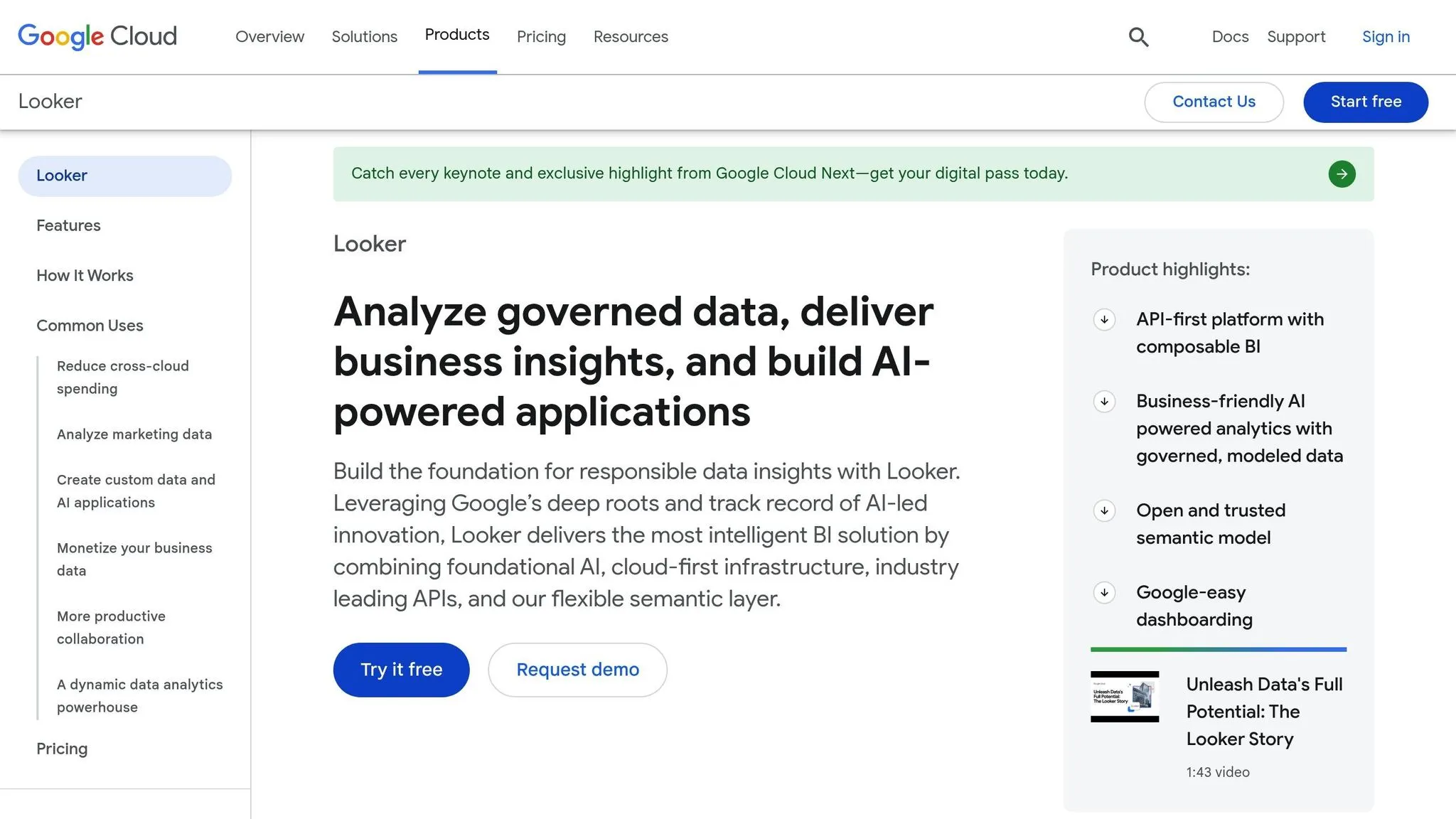
Looker AI, part of Google's ecosystem, takes data analytics to the next level by making advanced tools more accessible. By integrating Google's Gemini models, Looker AI simplifies how users interact with data, enabling more people to tap into sophisticated analytics. In April 2025, Google announced that all Looker users could leverage conversational analytics powered by natural language processing [9].
AI Features
Looker AI comes packed with tools designed to break down technical barriers, including Conversational Analytics, Visualization Assistant, Formula Assistant, Automated Slide Generation, and LookML Code Assistant [9]. These features make data analysis more intuitive and efficient.
With Conversational Analytics, users can ask questions in plain English - no need for complex query languages. The Gemini models ensure the platform understands the context and delivers relevant visualizations. Its semantic layer guarantees everyone is working with consistent and reliable data [9].
Peter Bailis, VP of Engineering, highlights the transformative potential of AI in analytics:
"Modern organizations require more than just accurate insights; they need AI to uncover hidden patterns, predict trends, and drive intelligent action." [9]
The Conversational Analytics API takes functionality a step further by allowing developers to embed natural language query capabilities into custom applications, internal tools, or workflows [9].
Integration Capabilities
Looker AI's API-first design makes it incredibly versatile, connecting seamlessly with almost any data source. It integrates deeply with Google Cloud, Workspace, Vertex AI, and BigQuery BQML [10] [12]. Kate Wright, Senior Director of Product Management, explains:
"Looker's API-first platform has set the stage for any workflow or application to connect to your data, from practically any source, with our semantic layer defining terms and ensuring the output is trusted." [10]
The platform also supports direct connections to tools like Microsoft Excel and Google Sheets. Additionally, its integration with AI agents helps automate routine tasks, generate insights, and trigger actions based on data patterns [9] [11].
Collaboration Tools
Looker AI goes beyond technical capabilities by fostering collaboration. Its real-time teamwork features let users share insights, annotate data, and collaborate on analyses within a unified interface [9] [13]. The inclusion of Duet AI enhances this experience, combining traditional visualizations with natural language queries to make collaboration easier for teams with varying technical expertise.
The platform’s collaborative potential is evident in real-world applications. For instance, a national retailer used Looker AI in 500 stores to analyze inventory trends. The AI revealed that specific color variations of winter coats sold 47% faster in suburban areas when temperatures dropped below 45°F, compared to urban locations. This insight helped refine distribution strategies, leading to a 23% reduction in stockouts and an 18% cut in excess inventory costs [14].
In healthcare, a hospital network deployed Looker AI across 12 facilities to study patient readmission patterns. The AI identified that patients with certain cardiac conditions prescribed a specific beta-blocker combination had 32% fewer readmissions. Hospitals using Looker AI reported a 28% decrease in the average length of stay and a 15% boost in resource efficiency [14].
sbb-itb-284a532
4. Microsoft Power BI
Microsoft Power BI combines AI capabilities with Microsoft's suite of tools, delivering a streamlined approach to data analytics. According to a study by Forrester Consulting on the Microsoft Power Platform, organizations witnessed a 7% revenue growth in 2024 by leveraging these tools [15].
AI Features
Power BI's AI tools make data preparation and visualization more accessible. Features include AutoML (powered by Azure Machine Learning), AI Visuals like Key Influencers and Decomposition Tree, Q&A in plain English, Anomaly Detection, and Copilot for generating reports and handling DAX calculations [16][17]. For instance, Standard Bank utilized these features to improve their planning processes [19].
Integration Capabilities
One of Power BI's strengths lies in its seamless integration with Microsoft's ecosystem, including Teams, Excel, SharePoint Online, Azure, Power Automate, OneLake, and PowerPoint. It also supports external platforms like Vertica and Snowflake [20][21]. This interconnected environment allows for live, interactive data storytelling and geospatial visualizations powered by Azure Maps [20]. This level of integration ensures smooth collaboration across teams.
"Using Microsoft Power BI's easily adaptable features, business users can quickly self-serve the datasets they need and build their own reports … They feel in complete control because they own and invest in it." [18]
Collaboration Tools
Power BI makes teamwork effortless. Users can share reports, embed interactive dashboards, and collaborate directly within Microsoft Teams. Features like integrated annotations and version control enhance the collaboration experience [21][22].
Pricing
Power BI offers flexible pricing options to cater to different needs:
- Power BI Free: Basic visualizations
- Power BI Pro: $14 per user/month (billed annually)
- Power BI Premium Per User: $24 per user/month
- Power BI Embedded: Enterprise-level pricing based on usage [23][24][25]
"Starting April 1, 2025, Power BI Pro licenses will be USD14 per user per month, and PPU licenses will be USD24 per user per month." [24]
Netwise's acting CTO at Nsure highlighted the efficiency gains achieved with Copilot in Power Automate, reporting a 60% reduction in time spent and 50% cost savings [15].
Platform Strengths and Weaknesses
Every AI business intelligence platform has its own set of strengths and limitations, which businesses need to carefully evaluate before making a decision. Weighing these trade-offs ensures the platform aligns with specific business goals and budgetary limits. Below is a breakdown of key features, integration capabilities, collaboration options, and pricing structures for some of the top platforms.
Querio shines with its natural language querying, which works seamlessly across multiple databases. This makes it an excellent choice for users with varying technical expertise, as it simplifies access to complex data. By bridging the gap between business users and intricate datasets, Querio proves to be highly user-friendly, with its strengths far outweighing any potential drawbacks.
Tableau is known for its exceptional data visualization capabilities and its ability to handle large datasets with flexibility. It’s particularly favored by data analysts and scientists working with complex analytics needs [26] [27]. However, the platform comes with a hefty price tag. The Creator License costs $75 per user per month, and enterprise solutions require custom pricing, which may be a concern for budget-conscious organizations.
Looker AI offers robust integration with Google Cloud and extensive customization through LookML, providing a strong semantic layer for business intelligence. Its API-first design allows users to connect to data from almost any source [10]. That said, its cost can be prohibitive for smaller businesses - the Standard Edition starts at approximately $5,000 per month, with setup fees ranging between $5,000 and $20,000.
Microsoft Power BI stands out as a budget-friendly option, especially for businesses already using Microsoft products. Its seamless integration within the Microsoft ecosystem makes it a practical choice for enhancing analytics capabilities [26] [27]. While it caters well to a general audience, it may lack some of the advanced features found in more specialized platforms.
When comparing these platforms, a few trends emerge. While advanced AI capabilities often come with higher costs, the potential productivity and revenue gains are substantial. For example, businesses that implement AI report a 40% increase in productivity [29] and similar boosts in revenue [30]. However, the hidden costs of traditional BI platforms aren't limited to subscription fees - implementation, training, and maintenance expenses must also be factored in [28].
Here’s a quick reference table summarizing the trade-offs:
| Platform | AI Features | Integration Capabilities | Collaboration Tools | Pricing |
|---|---|---|---|---|
| Querio | Natural language querying, AI-driven data access | Cross-database compatibility | Business and data team collaboration | Cost-effective solution |
| Tableau | Advanced analytics, data visualization | Salesforce ecosystem integration | Sharing and embedding capabilities | Viewer: $15/month, Explorer: $42/month, Creator: $75/month |
| Looker AI | LookML customization, AI-driven analytics | API-first approach | Cross-platform collaboration | Standard: ~$5,000/month; Setup: $5,000–$20,000 |
| Microsoft Power BI | AI-enhanced analytics | Microsoft ecosystem integration | Teams and Office integration | Pro: $14/month, Premium: $24/month |
Selecting the right platform means identifying the features most critical to your organization while avoiding overinvestment in tools that may be overly complex or unnecessary for your needs. Additionally, choosing scalable software ensures the platform can grow alongside your business [28].
Conclusion
When weighing AI-driven BI platforms, it's essential to consider how each aligns with your organization's goals, technical capabilities, and data-driven decision-making needs. Each platform brings its own strengths to the table, catering to different business priorities.
Querio is a standout for companies looking for a user-friendly, natural language interface that works seamlessly across various databases. By making data querying accessible to both technical and non-technical users, it empowers teams to tap into data insights without complexity.
For those who value advanced data visualization and analytics, Tableau remains a top contender. Its robust features and strong community support make it ideal for organizations that rely on visual storytelling. However, the cost of its Creator license might require a closer look at budget implications.
Looker AI shines in environments where data governance and consistency are critical. Understanding the difference between data access and governance is vital for long-term success. Its LookML modeling ensures that teams interpret data uniformly, making it a strong choice for larger organizations with intricate data landscapes.
Microsoft Power BI, on the other hand, offers a budget-friendly option, especially for businesses already entrenched in the Microsoft ecosystem. Its seamless integration capabilities make it an excellent choice for enhancing analytics without major disruptions.
As Craig Juta, CEO of FreshBI LLC, aptly puts it:
"The right platform does one thing well. It solves the actual problems your team deals with every day" [31].
The potential return on investment (ROI) is compelling, with some organizations reporting gains between $3.7 and $10.3 for every dollar spent on AI [32]. Selecting a platform that aligns with your data strategy, governance needs, and team expertise can pave the way for long-term growth and smarter decision-making.
FAQs
::: faq
How does Querio make data analysis easier for non-technical users?
Querio makes data analysis accessible to everyone, even those without technical skills, by using AI-powered tools like Natural Language Processing (NLP). This means users can simply ask questions in plain English - no coding or complex queries required. For instance, you could type something like, "What were the sales figures for last quarter?", and get accurate answers in just seconds.
On top of that, Querio provides user-friendly dashboards and visual reports that simplify how data is presented. These tools make it easy to spot trends, identify anomalies, and uncover potential opportunities. Automated insights ensure that users across different roles can quickly make well-informed decisions without constantly needing help from data analysts. With Querio, data becomes a tool for everyone, helping businesses make smarter, faster choices. :::
::: faq
What should businesses consider when selecting an AI-driven business intelligence platform that fits their goals and budget?
When choosing an AI-powered business intelligence platform, it’s important to focus on a few core aspects to ensure it aligns with your goals and budget. Start by pinpointing your specific business priorities - whether that means improving analytics, streamlining workflows, or making smarter decisions. Knowing your objectives upfront will help narrow down your options.
Next, prioritize a platform with a user-friendly interface that works well for both tech-savvy team members and those without a technical background. Integration is another key factor - make sure the platform can connect smoothly with your existing tools and data sources for a more complete analysis.
Finally, think about scalability and cost-effectiveness. The platform should be able to grow alongside your business, accommodating more data or users as your needs expand, without breaking the bank. Balancing these factors will help you select a solution that not only fits your current requirements but also supports your future growth. :::
::: faq
How do integration features improve the performance of AI-powered business intelligence platforms in today’s business environments?
The Importance of Integration Features in AI-Powered BI Platforms
Integration features are the backbone of AI-driven business intelligence (BI) platforms, ensuring a smooth flow of data between various systems. When BI tools connect effortlessly with your existing data sources and applications, they enable quicker and more precise data analysis. This means businesses can make informed decisions in real-time, combining historical data with current trends to uncover predictive insights. The result? A better understanding of market shifts and customer needs before they happen.
But there's more. Strong integration capabilities simplify access to data, cutting down reliance on specialized data teams. With user-friendly interfaces - like those powered by natural language processing - employees across different departments can independently explore data and uncover insights. This not only streamlines operations but also encourages a culture where decisions are consistently guided by data.
In short, seamless integration makes AI-powered BI platforms a game-changer for any business, enhancing their overall impact and usability across the board. :::