Product
There's never enough context
There is no value in macro analysis, especially in startups.
 Daniel MerighiFounding Operator6 min read
It will never be a bad idea to understand detail
There is no value in macro analysis, especially in startups.
Macro analysis is for people trying to seem smart and sell a quick fix solution.
It's appealing for someone to say, it's clearly going to be this : Mid-market SaaS - generic bs
It's much harder to say…
Example: So the buyer's true objective is to be viewed as AI-native (key word “viewed”) and the champion is trying to ensure they get promoted to a leadership role, so they recognise that they need to build their people and business acumen, rather than committing to an internal build that will end up being wasted token spend. And for this reason, you need to get approval from the Senior Executive, once they bless the idea, the champion wants to de-risk this decision and get proof that it will in fact solve the key bottlenecks and deliver them to a promotion, without risking their social capital.
That's more specific, and actually useful. Saying: We sell to Fintech, teaches you nothing…
Now, some things you can't know until you are specifically informed. But many more things are discoverable than we like to admit. When you speak to someone, their linkedin can tell you, where they grew up, what time zone they are in, you can figure out what they value as their skills, what software they currently understand, their opinions on current similar vendors and technology as a whole from posts and blogs.
If you have a complete image top of mind of what someone's context is, you can think of a much more unique question that perhaps nobody has asked them before. If you do your research, you can make it a fruitful, focused and enlightening conversation.
Humans are more intuitive than we think, even the dumb ones. So, every single word choice reveals information.
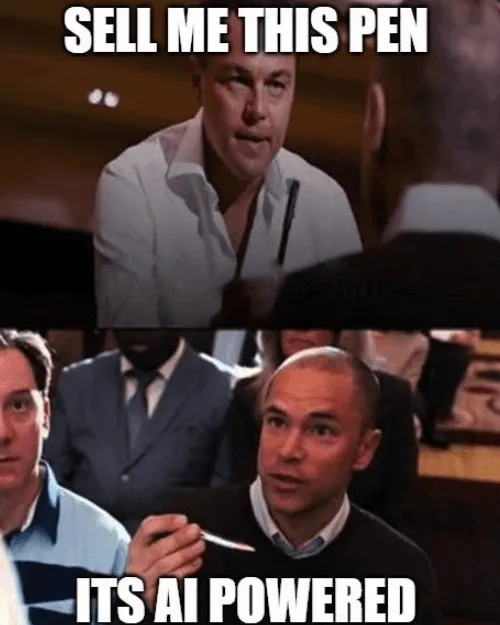
If you want to just advance your own objectives and not listen, that will be evident from the very first cold message you write. If you use AI or automations, then this will be clear that you see them as a means to an end, and that they aren't special and they will struggle to understand why they out of everyone are the ones they should be focused on.
Lots of heads of data respond positively to a personalised message, but why. This fundamentally reveals you know or at least think you know exactly who you want to serve, which helps them trust that without knowledge of what you do, this conversation will be interesting and insightful and has a good chance of solving their problems.
If you focus on them, they know they won't have to sit through a word vomit, bland AI feature-dropping demo that does nothing to solve their issues.
From Cold message → first conversation
How the context awareness comes through.
When you call someone, your posture and tone of voice reveal how you feel, and that will be a bigger indicator of if it goes well.
I find that when I am balanced, composed and confident, it almost never leads to a negative outcome.
Not having the right amount of context, for the situation, will trigger stress. If you don’t need the context, that’s fine you’ll be confident. If you do, then you best have it prepared, or they will feel it (or you’ll spend effort on seeming fine so you don’t listen and get drained, may as well do the prep)
So, one thing that drives me insane is: if something is important to you, prepare. The mistake is made the week before when you scroll instagram reels at night, mess up your sleep schedule and then come less refreshed to the demanding conversation. If someone's time is valuable, and you appreciate it, act accordingly, don't just say “thanks for your time”. Now you can't endlessly expend energy and over-prepare for everything but I think there is a distinct lack of focus and effort.
Help someone help themselves. If you really think that you can help them, then do the work to condense your thoughts and use the most brief language possible, and then, be focused on what you came to discuss. Let someone think through their thoughts and objectives.
Tigger warning: Therapy about to be mentioned!

(Oh yes, the complete performative male package…)
But really, why is therapy useful? You are just mainly talking at someone for an hour. I am finishing a year of therapy next week, and why has it been so helpful?
→Firstly, I block off midday every Saturday where I need to travel to go in person, walking outside and with the same route each week.
→On the way there, I know I will leave feeling lighter so I start to reflect on what is bothering me.
→Then, once I am there mainly I am talking at someone, but in the process I am sorting my thoughts and letting things go.
→The therapist is also asking very brief and specific questions that help you get more out of you.
but how do they do it?
First they establish trust, then they show they listen, and they help steer you back on course. I'm sure there must be a compulsion to shout at a client, “Stop doing that I've seen this before!”, but instead they realise that the goal is to help them address and understand themselves.
Cue: how therapy helped with my B2B SAAS AI Startup… linked to mandatory blog.
Any conversation with a customer should be the same. You help schedule it, so they set out a time to think about and plan solving a key problem on the top of their to-do list. In that conversation, they are able to think through their problems with guided questions. Then, you can share specific insights that you've learnt across many conversations. Once you are both on the same page, then you create a plan together and help keep each other accountable. The provider helps organise the steps and deliver the value through the product. And the buyer commits to making the changes and follow the steps to help themselves be helped. Nothing more than that.

This all came from researching the context then enabling a way to get more context by listening and shutting up. Let’s bring this mediocre analogy home…
Context over tooling 😳
Everyone was obsessed with mastering tooling. Salesforce, Realplayer, adobe Flash, Monday, canva, the list goes on. Now, it's clear that people see that Microsoft Office was the right bet. Learning word and excel got you through the last 30+ years. People are thinking claude is the same. Time will tell on that one…
What really matters in the modern age, which positively correlates with using claude, is agency. To get things done instead of talking, that's it.
Now, learning a bunch of claude automations and using skills is definitely valuable, but sitting above that is understanding how the real world works and getting specific and actionable knowledge. In other words, doing real work and things until you deliver value. It is so much harder to do than talk.
So, set a goal and go about achieving it, along the way everything you pick up will develop yourself.
What really matters
Above this again, is understanding yourself and how to work with yourself. AI is gasoline.

If you are insecure, you will start vibe coding a replacement for google docs, or scan your face to see what surgery you need and rank yourself against what a 20 year old insecure streamer's definition of attractiveness.
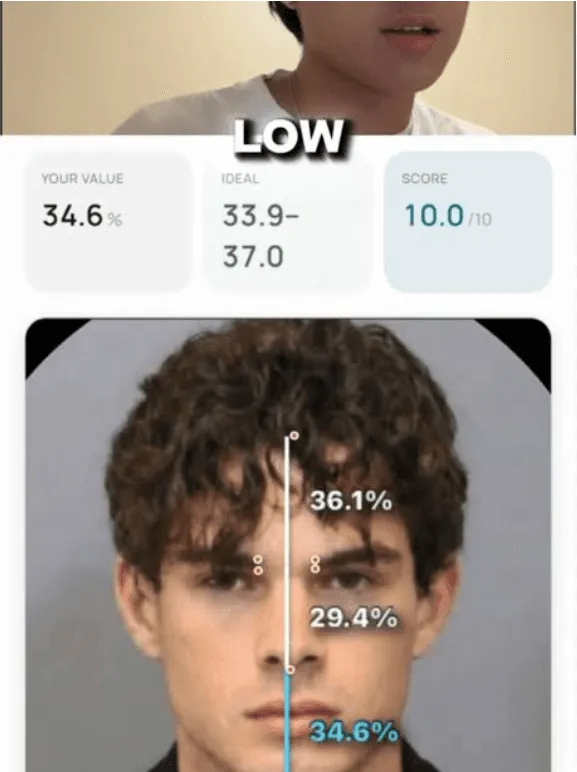
If there was a time to wake up and get in sync with yourself it's now. It's never been as easy to run fast, but it’s never be so confusing as to what path to take. Knowing what to focus on, and how to keep away distractions becomes infinitely more important.
Don't fall for the propaganda + hype or live out of fear. Things evolve around you, but we as humans fundamentally haven't changed that much. Seek the truth and be present, that’s all I can suggest.
Wish you all the best, most of you at least.
p.s. I'm going to the Dolomites for some fresh air and Asiago cheese (highly recommend) see ya'll in sep
and this is how your email is finding me: