Product
Travel, Instead of Being Traveled
On putting in the work in the age of AI
 Javier BonillaCo-founder & CTO4 min read
In the movie Good Will Hunting, Sean says to Will:
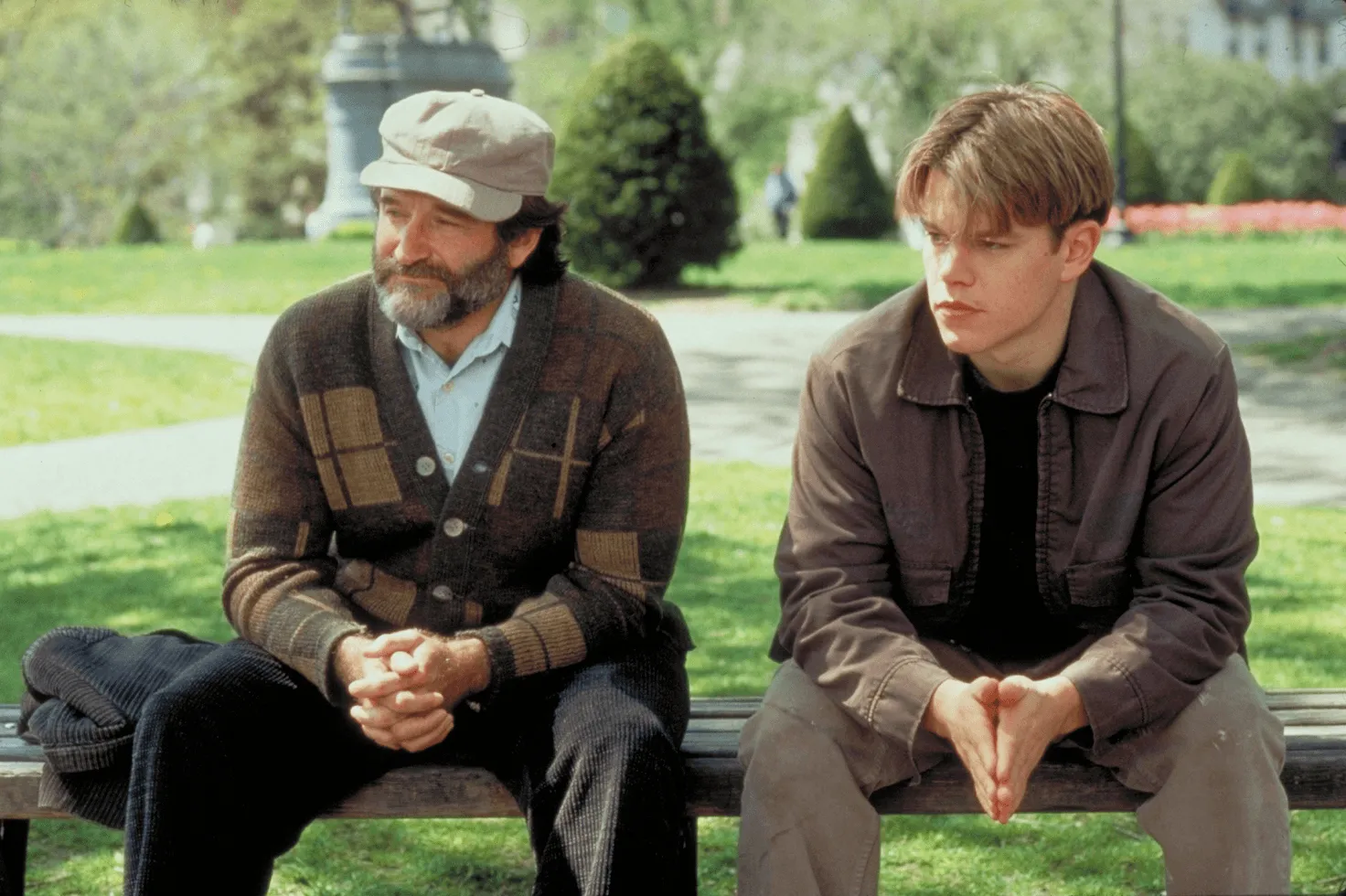
So if I asked you about art, you'd probably give me the skinny on every art book ever written. Michelangelo, you know a lot about him. Life's work, political aspirations, him and the pope, sexual orientation, the whole works, right? I bet you can't tell me what it smells like in the Sistine Chapel. You've never actually stood there and looked up at that beautiful ceiling; seen that.
You can read everything there is to read about the Sistine Chapel, but you can’t really know what it’s like until you’re there. Sean isn’t saying books are useless. He’s saying there is a kind of knowledge you only get by standing there yourself.
AI has made second-hand knowledge insanely cheap. It can summarize the book for you, explain the painting, give you the take, write the code, plan the trip, draft the email. It can compress the world into answers like nothing we’ve ever seen before. It’s useful, but there’s this very human tendency to not think and just disconnect that makes it extremely dangerous. The most uncomfortable truth is that this isn’t really an AI problem, it’s a human weakness that AI just makes easier to indulge in.
We don’t naturally rush toward difficult thoughts, we drift toward whatever lets us stop thinking. So much so, that we often prefer getting shocked to being alone with our thoughts. The danger with AI is that the avoidance can look like intelligence. You receive something coherent, sometimes even correct, and for a second it feels like understanding. But the work you skipped was not just the annoying part. It was the part where judgment would be built: sitting in confusion, noticing what doesn’t fit, forming your own opinion and slowly shaping your mind. That friction is not a bug in learning, it’s what it feels like to learn. This damn machine creates the temptation to just let it handle it, while mistaking having the answer for having put in the work.
We’ve been using the GPS in our phones for a while now and you’ve probably noticed how there’s routes you take relatively often but you’d be utterly lost if you had to take it without your phone. This is not just an idea I have, there’s science behind it and it’s the difference between traveling and being traveled. The GPS is a tool that gets you there, but a physical map or just winging it forces attention and orientation. One optimizes for arrival, the other one doesn’t but it builds a mental model.
The point isn’t nostalgia for paper maps or even pushing us to use shittier tools to give ourselves no other option other than paying attention. The point is to notice that there’s tools that remove so much friction, that our auto-pilot kicks in and we rarely realize that that friction is where understanding comes from. Or as my girlfriend likes to put it: “if you don’t use it, you lose it.”
If you outsource the work to the AI and remove yourself even from the interpretation of the results, you never wrestle the raw thing, and your judgment atrophies just like your sense of direction. You get outputs, but you don’t get taste. Taste comes from feeling deeply and judgment comes from exposure, you don’t build it by receiving what looks like polished conclusions at the surface. You build this taste by noticing confusion, by checking assumptions, by considering alternatives, by getting annoyed and by realizing that you were wrong and thus changing your mind. When you outsource the work, you also inadvertently take away the work that you need to do to build judgment.
This is not a “don’t use AI” blog, I think you should be using AI aggressively. Just remember your nature, remember that you’re lazy, and don’t let it rob you of the reps that matter. Epictetus writes in the Enchiridion that you shouldn’t make a show of your principles, but show them through your actions. Although not applicable 1:1, it feels like the right standard. Don’t use AI to sound like someone who understands, use it in a way that helps you become someone who understands. Let it remove drudgery and accelerate how you work. It can definitely help you move faster through whatever material of work you’re battling with now. It can give you sets of opinions you can react against and consider. It can even challenge and grill you on your current interpretations. But stay present, don’t use it like a slot machine, use it like a tool, use it to keep learning and sometimes deliberately keep it out of the loop.
In the age of AI, it will be easier than ever to know about the Sistine Chapel. The work is still to travel there for yourself and look up at the ceiling.